FYI Healthtalk Test Kitchen – RECIPES & TIPS

SUPER QUICK COCKTAIL SAUCE  
Stir together 1/2 cup ketchup, 1 Tbsp. horseradish, 1 tsp. hot sauce, 1/4 tsp. lemon zest, and 1/2 tsp. fresh lemon juice in a small bowl. Serve with cooked seafood. Makes about 1/2 cup. Will keep in the refrigerator for up to five days. NOTE: Crumble up some soda crackers and mix into the sauce, and ‘walla’ – a faux shrimp cocktail.

MY SWEET POTATOE DELIGHT  
3 medium sweet potatoes – peel and slice 1/4 inch thick
Layer in casserole dish. Pour 2 oz. real maple syrup over the top. Cover with lid. Bake in NuWave Oven on high – 342 degrees for 30 minutes. Sweet potatoes should be soft. Pour melted butter over the top. Stir carefully so as not to mash the potatoes. Yummy!

   BANANA OATMEAL COOKIE BITES 
3 Ripe bananas – mashed
1/3 cup apple sauce (make your own)
1 3/4 cups oatmeal
1/4 cup coconut milk
1/2 cup raisins
1/4 cup chocolate chips
1 tsp. cinnamon
1/2 cup coconut flour
Pinch of salt
1 egg
1 Tbsp. Maple or Agave Syrup
1 tsp. vanilla (optional)
Mix all ingredients together. Drop onto cookie sheet. Cook in preheated 350 degree oven or if using the NuWave Oven – set at 350 degrees, for 10 – 12 minutes.

Go from this to this  

How many of you have bought strawberries, or raspberries etc. – put them in the refrigerator and when you decided to use them you found a furry mold on them?  You never noticed it at the store – however, because the furry is usually at the bottom of the container or on the inside of the berries. What can you do? How can you keep them fresh? Prevent them from getting mold as soon as you get them home from the store. RINSE THEM WITH VINEGAR WATER !

Prepare a mixture of one part white or apple cider vinegar and ten parts water in a bowl. Place the berries into the water/vinegar mixture and swirl around. Drain and rinse again gently. Now you can put them in the refrigerator. They will keep for up to 2 weeks. The vinegar kills any mold spores and other bacteria that might be on the surface of the fruit. Now don’t forget to eat them.

TRY AND ENJOY!

Toxicities – Integumentary System

Toxicities is another term for toxins. Different ranges of toxicity may affect the organs of the human body especially the integumentary system which includes your skin, hair, nails, oil and sweat glands. The integumentary system provides protective and out covering for the physical body – namely the skin, which is the body’s largest eliminative organ and aids in the elimination of wastes and by-products from metabolism. It also maintains the body’s temperature. Toxins are categorized according to the location or locations of the toxic effect. When toxic effects occur at multiple sites or in multiple organs it is referred to as systemic toxicity.

As I mentioned in earlier blogs most human body’s today are toxic. Meaning they are more acidic than alkaline. Toxicity can be caused from many sources – the food we eat, and the chemicals we are exposed to on a daily basis, such as household cleaning solutions, sprays, etc. Chemicals enter the body in three main ways: as inhaled vapors, absorbed through the skin, or ingested (eaten). Symptoms of toxicity may include sleepiness or fatigue, headaches, nausea, nosebleed, tingling of the extremities, scratchiness, or swelling, allergies, skin rashes, eczema, psoriasis, splitting of the skin, boils, pimples (related to the lymphatic system) and etc.

Systemic toxicities include: Acute – occurring almost immediately after an exposure to chemicals; Subchronic toxicity – results from repeated exposure for several weeks or months; Chronic toxicity causes cumulative damage to specific organ systems and takes many months or years before the damage is recognized; Carcinogenic toxicity is – a complex multi-stage process of abnormal cell growth which can result in cancer; Developmental toxicity – is developed in the embryo; and Genetic toxicity – results from damage to DNA.

Once toxicants enter the body, they may be stored in the body or distributed throughout the body by way of the circulatory system.

It is important to maintain a chemical balance in our bodies. Exposure to toxins does not only occur in the home, but may also occur in the workplace, churches, public buildings, and stores where you shop. Clothing stores and churches wreak havoc with me. Continue reading “Toxicities – Integumentary System”

Supplement Facts – What is Cortisol

What Is Cortisol? How To Relieve Stress? - YouTube

Who has ever heard of Cortisol as being anything other than a scientific term? If you read the ingredients on the packaging of supplements you may have seen it mentioned. Apparently, as I researched this one, Cortisol is referred to as being “destructive.” I feel it is of great concern in regards to a persons longevity and overall health.

CORTISOL – is a glucocorticoids hormone that is essential for life. Too much can be “destructive.” What causes this?  One thing is stress. “Stress inflicts deadly damage by raising cortisol levels. The result is accelerated aging that wreaks havoc throughout the body.” The increase in cortisol does this by aging the internal organs and thereby makes one seem older than he/she really is. Stress is an underlying problem with many of today’s chronic health problems, to include, obesity, cardiovascular disease, diabetes, osteoporosis, metabolic syndrome and neurodegenerative disorders like Alzheimer’s disease.

What kind of stress are we talking about? All kinds – emotional, psychological, physical or biochemical. All of these kinds of stress raise the levels of cortisol. It is a good idea to lower any level of stress you may be experiencing. However, stress is not always easy to get rid of. It seems to be a normal part of everyone’s lives. So, what can you do to help keep your cortisol levels low? Polyphenols!

Scientists are excited about natural compounds capable of lowering cortisol levels. Read on!

Close up fresh lychees with leaves on isolated on white background.

Lychee Fruit! The “lychee fruit has been grown in China since at least the 11th Century. It is rich in polyphenols that promote a variety of biological activities, most notably the ability to fight oxidative stress, inflammation and lower cortisol levels.”

I found this amazing. There is a family, near where I live, that grows Lychee Fruit Trees – often referred to as a ‘lychee nut’ tree. They harvest the fruit, ship them to China and then China sells them back to the U.S. This was interesting, as I found and purchased them in the produce department at a Wal-Mart store in Canada. I found them to be very delicious. I also found them canned, in Wal-Mart here in Florida.

Scientific human studies were done with a lychee-green tea blend supplement, because they found “most lychee polyphenol products available in stores….are not easily absorbed in the intestinal tract.”  Other extracts tested were “from the bark of the Magnolia and Phellodendron trees which were shown, in combination, to lower cortisol and reduce manifestations of stress.”

In Summary – per Life Extension (my source) magazine; “high cortisol produces all of the manifestations of overmedication with steroids: central obesity, rising blood sugar, hypertension, and lipid disturbances, while also softening bones and promoting neurodegenerative issues.”

Bottom line – “There are compounds that can be taken/used that offer safe, effective reductions in circulating cortisol levels, thereby helping to promote improved metabolic health and supporting healthy aging.”

I found this information to be profound and something that should interest everyone. The senior years come more quickly these days. It is up to each of you to HELP YOURSELVES TO BETTER HEALTH. Use the information on my blog pages wisely as they pertain to your health issues. Consult your physician as you feel the need to.

GODS BLESSINGS TO ALL!

Natural Remedies – Spirulina and Chlorella

WHAT ARE THEY?

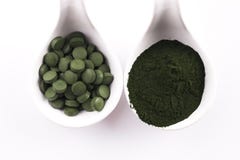
Green chlorella Royalty Free Stock ImageSpirulina and Chlorella are supplements that have been around for many years, but we hear little about them anymore. I have taken Chlorella tablets, and used Spirulina in a powder form in my smoothies. They both can be purchased at most Health Food Stores. They are available as liquids, tablets, capsules and powders. You may find them as an ingredient in many, so-called, ‘Green Drinks’.

What is there that should be known about them? I knew very little so I decided to research them. I went to a source called ‘Nature’s Remedies’, the Complete Guide to Natural Healing. I love this source as they make every effort to offer medically accurate and up-to-date information – that can be used to complement and not replace the advice of your physician. The following is what I found out about Spirulina and Chlorella.

  1. Both Spirulina and Chlorella, usually, are made from “freshwater  algae”. Both are packed with protein, nutrients and chlorophyll that are easy for the body to assimilate. In case you didn’t know ‘algae are among earth’s oldest life forms. Algae, as a protein, can round out a meatless diet. Algae was a staple in the diet of the Aztecs. As basic nutrients, Chlorella and Spirulina are “believed to cleanse the blood of toxins, buffer the effects of radiation, boost immunity and even fight cancer.
  2. They have a ‘therapeutic effect’ – because their protein (which contains all the essential amino acids) is easily digested, especially for those of you who are fasting or dieting or have trouble digesting other forms of protein.
  3. It might, (this is still being researched) stabilize blood-sugar levels for diabetics and hypoglycemia patients.
  4. The components: Spirulina is a blue-green algae containing up to 70 percent protein, with chlorella about 60 percent. Both are rich in beta-carotene, antioxidants, and fatty acids (gamma-linolenic acid) vital for nerve and brain function. They help to relieve skin conditions such as eczema. Among the minerals they provide are calcium, iron, magnesium and zinc; with vitamins being A, D, B-1, 2, and 12, B Complex, and vitamins C & E.
  5. Other claims: Spirulina “can suppress the appetite, and the chlorophyll improves bad breath. As a supplement they “can increase energy and resistance under conditions of stress or weakness.”

CONCERNS: “In recent years, there has been concern about algae contaminated by pollution in lakes where they are harvested. As a result, algae products are now subject to more stringent controls.”

Remember, times have changed from the Aztec era where everything was really organic. Today, because of the bacteria scare from the ‘freshwater algae’ all over the world, Spirulina and Chlorella in all forms may be made from other food sources such as barley and wheatgrass, etc.

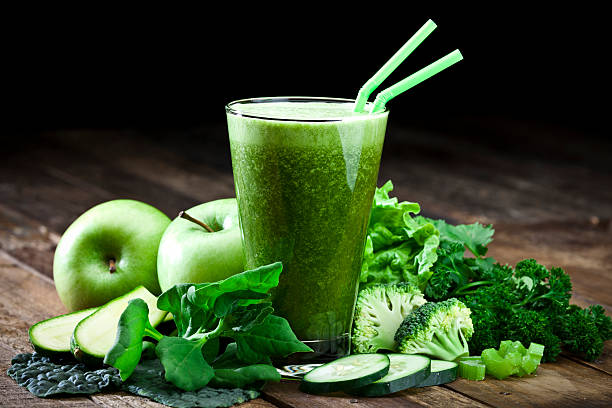
I never had any problems using either of these as supplemGreen vegetable juice on rustic wood tableents.

Go ahead – make a Green Drink Smoothie, add some Spirulina Powder, and experience a new energy.


TRY THEM, SPIRULINA AND CHLORELLA, YOU MIGHT LIKE THEM, TOO!

Supplement Facts: Ceremides vs Wrinkles

What do you know about a ‘ceremide’?

Anatomical Structures of Human Skin

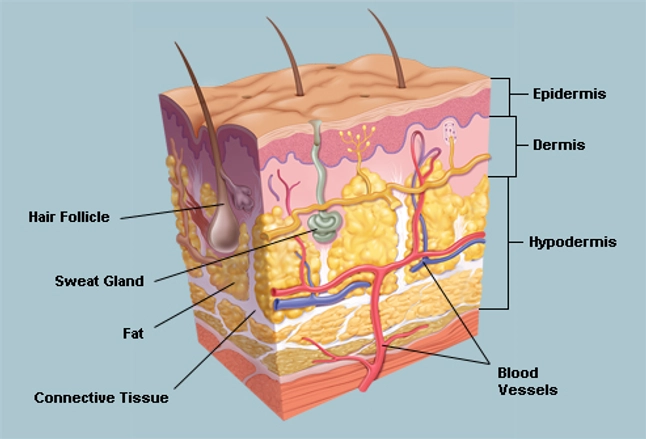
Ceremides are lipids and pertinent to aging…for the young and the old. Ceremides are contained naturally in a young persons skin which in appearance is moist, plump, and wrinkle-free. Ceremides (per Life Extension Magazine), “are major skin components that help form the “glue” that holds surface cells together. Aging skin loses these natural lipids.” “Ceremides are contained in four layers of the epidermis creating the natural barrier that holds in moisture, keeps out infection and prevents wrinkles.”

For the benefit of the aging, scientists have developed “plant-derived ceramides.”  Referred to as phytoceramides, these can be taken orally as a supplement. They are absorbed into the bloodstream and inner layers of the skin. Working from the inside out they hydrate, smooth and rejuvenate the aging and wrinkled skin throughout the body.  Ceramide produced in food – such as wheat and rice – is not enough to provide sufficient quantities to optimally rejuvenate aging skin. It was determined, by the scientists that “the decline in ceramide content in mature skin may stem from a decline in the enzyme activity that normally promotes the delivery of ceremides in a usable form to the skin.” And, that because of the loss of ceremides during the aging process, it is important to boost ceramide levels not only on the surface – through the use of lotions, etc, but deep inside the skin cells by the use of internally taken supplements. Topically, skin creams have contained ceramides for years, but these are found by most women – including myself, to deliver only minimal improvement. Other skin conditions and issues that are the result of low ceremide levels include, atopic dermatitis, cellulitis, and bacterial induced skin infections, etc.

NOTE: Clinical trials using 200 mg daily were given to women for 3 months to test skin hydration. The women experienced improvement in skin hydration, reduced dry patches, roughness, and itching.

In Summary – the skin takes a beating day in and day out from solar exposure, pollutants, stress, and aging. I agree, that skin problems need to be treated from the inside out as well as topically. This is where a good diet of fruits and vegetables is needed. See my Detox Diet Plan in an earlier blog.

There are many topical products on the market today. After trying many of them myself, I have seen little improvement with topically used creams, lotions, etc. I do see improvement with a good diet, and internal use of supplements – of which there are many as well. You do your own research. I find the herbal ‘Skin Formula’ available at the Fyihealthtalk Store an excellent product. I as well like the Life Extension products.

BE YOUR OWN JUDGE!


Body System: Lymphatic

I see people all the time whose body’s exhibit health issues – by swelling (edema) in the limbs or other parts of their bodies, by restricted range of motion, with aching and/or discomfort, recurring infections, hardening or thickening of the skin on the arms or legs, and staining which usually appear from the ankles down: however, I have seen it on the arms and the back and front of the calf of the leg, tonsilitis, sinus congestion, earache and hearing loss, Cysts and tumors, Cellulitis, Blurred vision, Snoring, Sleep apnea, stiff neck, etc.

What are all these symptoms indicative of? Glandular weaknesses – which can be due to complications after surgery (because of the trauma the body endures); injuries; allergies; cancer radiation; medications; blood pressure issues; and  etc.

The glandular system involved is the Lymphatic System which is a part of, what is referred to as the Eliminative System. Your physical body is composed of many systems, which in a joint effort keep it alive and well. They depend upon each other for the running, maintenance and repair of the body as a whole entity. So, how does the Lymphatic System fit into the picture? Continue reading “Body System: Lymphatic”

Health Fact Tips – Sciatica, Obesity, Diabetes

A pain in the behind. What is it all about and what can you do about it – to ease the pain.

Picture of Sciatica

Sciatic pertains to the hip. The sciatic nerve is the largest nerve in the body, arising from the sacral plexus on either side, passing from the pelvis through the greater sciatic formen, down the back of the thigh, where it divides into tibial and peroneal nerves. Lesions cause paralysis and flexion and adduction of toes, absuction and adduction of toes, rotation inward and adduction of foot; planter flexion and lowering of ball of foot; paralysis or dorsal flexion and adduction of foot; rotation of ball of foot outward and of raising external border of foot and of extension of toes.

Sciatica is severe pain in the leg along the course of the sciatic nerve felt at back of thigh running down the inside of the leg. The pain may begin abruptly or gradually and is characterized by a sharp shooting pain running down the back of the thigh. Movement of the limb usually intensifies the suffering. The pain may be felt infrequently or just in certain spots where it may be more intense; you will feel numbness, tingling, and the nerve may be extremely sensitive to touch. Symptoms usually grow worse at night, and, amazingly, on the approach of story weather.  The duration of an attack varies from a few days to several months. The Treatment may include surgical intervention if due to ruptured intervertebral disk. Rest is essential. Hot fomentations (packs) can be used. Usually it is treated with drugs such as Demerol or Morphine, which in today’s use of opioids puts one in danger of habituation. The best treatment is to keep your body in generally good health, eat a good nourishing diet. Nerve stretching  by pulling affected leg is also affective. (Taber’s Cyclopedic Medical Dictionary)

Childhood Obesity – is getting out of hand even to the point of being epidemic. Over 75% of adults are obese and the childhood percentage of children with obesity in the US has more than tripled since the 1970’s.  Obesity is having excess body fat. Overweight differs from obesity as having excess body weight for a particular height from fat, muscle, bone, water, or a combination of these factors. Something needs to be done about it and it should begin with the parents. Your child should be drinking more water. Eliminate all sodas, and juices that are artificially sweetened, as they cause more weight gain than regular drinks. Bottom line get your child used to water.

Eliminate processed and fast foods – which are high in carbohydrates which packs the fat on to your child. I have seen it in my own grandkids and great grandkids. They can eat fruits – grapes seem to be a favorite, and veggies preferably raw. They can eat good fats. Good fats are found in avocados, coconut oil, olive oil, grape seed oil (to mention a few), nuts, and seeds. Vegetable oils and canola oils are not good for your health and should be avoided at all costs. And just so you know – eating fats does not cause you to store fats. The obese train is not the train you want your child to ride. It is difficult to make changes, but the quicker and earlier you make the changes in your child’s life, the better. Over a long period your child will get used to eating healthy and feeling healthy and will more likely make it a permanent change in his/her own life as he/she grows older.

Diabetes and Diabetic Neuropathy! The number of Americans, adults and children, that have Diabetes is mind-boggling. It use to be rare to hear of children having diabetes. Today, that is a different story.

Diabetes has a down side that people with the disease struggle with – called Diabetic Neuropathy – which can be very debilitating.

Diabetic Neuropathy is a progressive disease. It is a complex disease. In short, one has high blood sugar levels, along with low blood and oxygen supply, which damages the nerves throughout the body.  This damage “affects the long peripheral nerves that feed sensations to the legs, feet, and toes from the spinal cord, through communication with the brain.” Symptoms include: Numbness, tingling, burning sensations, painful aching, joint inflammation, joint damage, balance issues, skin discoloration and texture changes, muscle cramps, feeling of stiffness and pins and needles. Treatment usually involves prescription drugs and or surgery. Drug therapies do not cure diabetic neuropathy, and again, are highly addictive. Treating the underlying cause of diabetic neuropathy is essential. Lowering your blood sugar level (Alc) and managing it through ongoing maintenance is crucial for your wellbeing.

There are two types of DiabetesType I, which is usually called juvenile or brittle diabetes, which is insulin dependent. Type II is referred to as ‘late onset’ and is considered non-insulin dependent, but can become insulin dependent.

One of the glands involved in diabetes is the pancreas. The pancreas has two jobs to do, first is the secretion of major digestive enzymes, second is the production of insulin by the beta cells for glucose utilization. When the pancreas doesn’t do it’s job, where digestion is concerned, which involves the mouth, stomach, pancreas and small intestines, it results in inadequate bile flow which in turn will inflame the walls of the intestines, which eventually leads to ulcers and intestinal “itis’s”, which goes on and on into other health issues. The function of the pancreas that directly relates to diabetes is performed by the beta cells, which produce and release the insulin that aid in the utilization of glucose fuel by the body. Insulin assists the transport of glucose through cell membrane walls. In both types of diabetes, but especially Type I, the weakness in the pancreas is usually passed on genetically. However, you can create pancreatic weakness yourself by allowing your body to become highly toxic. It may take a long time, even many generations, for a weakness from inflammation or toxicity to actually cause diabetes. The range of diabetes is broad. Diabetes is considered to be another autoimmune problem. The allopathic medical community cannot find a reason for this autoimmune response other than to say it is probably in the genes. A good detoxification program along with cleaning the parasites and flukes out of your body is a good start to combat this disease.
(Dr. Robert Morse, N.D.)

Be a part of your own healing. Start Now!

Taurine

Every body dreams of finding Shangri la – a place where everything is perfect, an earthly paradise/utopia where people have perpetual youth. I know I have. A, long ago movie, called ‘The Lost Horizon’ was my introduction into there being such a place. The movie was fictional, but could it be real?

While researching supplement ingredients, I came across an ingredient called TAURINE. Because of my insatiable curiosity, I checked it out. Could it be a step toward finding that Shangri la I am looking for?

You may know that the Japanese people have a life expectancy that is among the highest in the world with people over 100 years old. What factor comes into play for them to have that kind of life span?  Researchers claim the connection for this kind of long life span is an amino acid called taurineIn animal research “it was found that taurine protected against heart failure – reducing mortality by nearly 80%.” Others things taurine was found to be beneficial for included, in addition to cardiovascular health, insulin sensitivity, electrolyte balance, hearing function, and immune modulation.

Chances are that if you have a healthy body you have an abundance of taurine. If you are experiencing issues with the liver, kidney and/or heart, diabetes, and/or cancer you have taurine deficiency. As one ages the body doesn’t produce the amount of taurine it needs, so taking supplemental taurine is vital for continued optimal health and nutrition.

To educate you in regards to taurine, other benefits include:

  • Obesity control – by improving glucose tolerance.
  • Treats Diabetes – it is known scientific fact that taurine concentrations are lower among diabetics. Thereby,”normal taurine concentrations are essential in controlling diabetes and its consequential impacts. Taurine supports nerve fiber integrity – slowing painful diabetic neuropathy. It also minimizes kidney damage in diabetics.”
  • Supplementation strengthens heart muscle cells, extends their life spans, and protects them from damage.
  • Taurine protects retinal and inner ear cells from damage, normalizing the flow of calcium ions they require for proper function.
  • It also plays a role in preventing epileptic seizures and liver disease.
  • Enhances exercise performance by increasing muscle contractility; helps the muscle to rid itself of lactic acid (which causes pain and soreness); it protects muscles from the oxidant stress and DNA damage caused by hard exercise.

Taurine also prevents and treats liver disease – especially non-alcoholic fatty liver disease. “The human liver is our master detoxifying organ. Taurine is an integral part of the liver’s self-protective mechanisms. It defends liver cells against free radicals and toxins, helping to reduce the severity of oxidative stress-induced liver injury.”

How do you get taurine into the body, in addition to the healthy body making it from the metabolism of the amino acid cysteine? Natural sources include: FISH, dark chicken meat, eggs, seaweed, and sea algae.

(Research sources include: Life Extension, Wikipedia, etc.) I leave you with a quote from the Life Extension Magazine.

“With epidemiological evidence that it contributes to the longevity of famously long-lived groups, taurine belongs on the short-list of supplements necessary for maintaining optimal health in the face of aging.”

Have the Japanese found their Shangri la? Does this help you? I will keep looking, as I think it takes more than one supplement to maintain a healthy body. There is still a lot to be learned. Do your own research, and….

May God Bless!

Body Systems – DIGESTIVE

I am adding a new chapter in my blog called BODY SYSTEMS. You all know what the ‘body’ is, but what do you know about what makes up the ‘body’. In other words, the Systems of the body. It is time to ‘clean up your act’, to ‘stop killing yourself’, get beyond dis-ease, think about your health, and conquer your problems by changing your life and way of thinking.

DIGESTIVE SYSTEM!

What Structures make up the Digestive System?
…..The mouth and salivary glands, stomach, small intestines, pancreas, liver, and gallbladder.

What are the functions of the Digestive System?
…..In the mouth, the digestive system uses mechanical (teeth) and chemical (enzymatic) action for the breakdown of coarse foods into simple structures or compounds for absorption and utilization purposes. The salivary glands secrete amylase, which is an alkaline digestive enzyme for starch and carbohydrate breakdown.
…..The stomach – located between the esophagus and duodenum, is below the diaphragm and to the right of the spleen with a portion lying underneath the liver. Food enters the upper part of the stomach through the cardiac sphincter valve and leaves through the pyloric sphincter valve. The stomach has four layers. The stomach acts like a time-release mechanism allowing food time to digest (be broken down) so the body can use it properly.
…..The small intestines make up the first part of the bowel structure. They are smaller in diameter than the colon, but are 4 to 6 times as long. Three sections make up the small intestines, with each having its own job to do. They include the 1)Duodenum which is responsible for protein digestion into amino acids; for alkalization and fat breakdown; stimulation of pancreatic enzymes and gallbladder bile extraction; and changes complex sugars into monosaccharides or simple sugars. 2) Jejunum – makes up two-fifths of the small intestines. It helps with duodenum digestion, and absorption of vital nutrients in the break down of food particles to their simplest form. 3)Ileum – comprises the lower three-fifths of the small intestine.  It mixes the already byproducts of digestion (amino acids),
monosaccharides, fatty acids, glycerol, vitamins and minerals with water to continue them on their way out into the colon. Continue reading “Body Systems – DIGESTIVE”

Loquat

What is a Loquat? I have a tree in my backyard. I was introduced to the Loquat tree when I first moved to Florida. There was one between my house and the neighbor’s house. That was my first question: WHAT IS A LOQUAT?

When I point out my Loquat tree to folks, they always say, ” I have never heard of a loquat, what is a loquat?  A fruit of course!

Wikipedia, as well as other research sources, describe the loquat as being a species of flowering plant in the family Rosaceae. It produces fruit. It is native to China, but common in Japan, Korea, India, Pakistan, the Philippines and hill country in Sri Lanka,” not to mention many other temperate climate countries. It is a large evergreen tree grown commercially for its yellow fruit” which is also known as Japanese plum and Chinese plum.

Today, Japan is the leading producer of loquats followed by Israel and then Brazil. The wood of the tree is hard and durable. In Central America, they make furniture out of it. In the US, the loquat tree is hardy only in certain areas of the country to include Hawaii, California, Texas, Louisiana, Alabama, Florida, Georgia and South Carolina, flowering only where winter temperatures do not fall below 30 degrees F. In these areas, the tree flowers in autumn and the fruit ripens in late winter.

Loquats are unique among fruit trees. The flowers are 1 inch in diameter, white, with five petals which grow on a stiff panicle or small branch of three to ten flowers. They do have an aroma and can be smelled from a distance. The Loquat fruits grow in clusters, are oval, or pear-shaped with a smooth or downy, yellow/orange, or sometimes red-blushed skin. The tangy flesh is white, yellow or orange and sweet to sub acid or acid. The seed/seeds inside of the fruit may be different in number in each fruit – even grown on the same tree; usually one to four in number. They are of a good size for being in such a small fruit. The flavor of the Loquat fruit, which tastes different to everyone, is a mixture of peach, citrus and mild mango. It has a high sugar, acid, and pectin content. It mixes well with other fruits in fresh fruit salads. The fruits can also be used to make jam, jelly and chutney. I clean the fruit, take the seeds out, and freeze them in zip lock freezer bags. They are good as snacks.

In Italy, a liqueur is made from the seeds, but with much caution, as the seed contains (like the apricot seed), cyanogenic glycosides (cyanide poison). The leaves contain this same ingredient – even though in Japan they do dry the leaves and use them to make an herbal tea, call Biwa Cha. As for me, I definitely stay away from using the seeds or the leaves  for anything but putting them in the garbage. I am too cautious, I suppose.

The loquat fruit is said to have good nutritional and health benefits. It is low in saturated fat and sodium, high in vitamin A, dietary fiber, potassium and manganese, as well as Vitamin C, folate, the B vitamins, and minerals to include, calcium, iron, magnesium, manganese and zinc.

I am all for good health benefits of any natural foods. Some of the benefits related to Loquats, as scientifically researched, are as follows:

  • Regulates blood pressure – according to research, the potassium in the fruit acts as a vasodilator of the cardiovascular system, helps lower the blood pressure and thereby can decrease the risk of heart attacks and stroke. It is also considered a ‘brain booster’ – increasing the flow of blood to the brain.
  • Stimulates the Circulatory System – due to the high iron level which is important to prevent anemia. Iron is essential for red blood cells, part of the hemoglobin, which brings oxygenated red blood cells to all the body’s organs and thereby boosts the circulation. This helps your body to speed up the healing process, increase energy, and keep all the organ systems functioning properly.
  • Lowers Cancer Risk – by the presence of the antioxidants in the fruit.
  • Treats Inflammation – with its own anti-inflammatory properties and analgesic qualities, preventing the body from cellular aging.
  • Can Prevent Diabetes – reducing the blood sugar, regulating insulin levels, and prevents hyperlipidemia in the blood.
  • Soothes the Respiratory System – by clearing phlegm and mucus from the respiratory tract.
  • Improves the Immune System with its high level of Vitamin C, which also encourages the generation of white blood cells is necessary for the production of collagen which supports the growth and repair or organs and tissues in the body after an illness or injury.
  • Improves Digestion – rich in dietary fiber it bulks up the stool and stimulates peristaltic motion which helps regulate the bowel movement. The dietary fiber is essential for constipation reduction, diarrhea, bloating, cramping and other stomach disorders.
  • Helps Control Weight – the fruit is low in calories and it suppresses the appetite. It also improves the metabolism which helps promote healthy weight loss.
  • Eye Vision – is improved because of the Vitamin A, a component important for eye health. This vitamin also helps to prevent the risk of cataracts and macular degeneration. It, as well, is helpful for strengthening and developing bones and teeth.
  • Improves Skin Health – because of the antioxidants essential for preventing early aging, and skin inflammation. It as well, is being researched for use to fight the effects of chemotherapy in cancer patients.
  • Supports the Liver – by eliminating harmful toxins out of the body.
  • Fights Against Viruses – last, but not least, for there are many more benefits to be derived from the Loquat Fruit.

Now you know what a Loquat Fruit is, but, as with all foods, despite the wide range of benefits it is necessary to not over consume the Loquat fruits. The precaution is that the fruits can cause toxic myopathy including weakness and non-specific pain. Thereby you should consume the fruit and any derived products from the fruit in moderation.

Loquat Fruits are suitable to be added to your daily diet…when in season, or you can buy them or pick them. JUST DON’T OVER-DO!